
Learn about PASS/START-PROF pipe stress analysis software
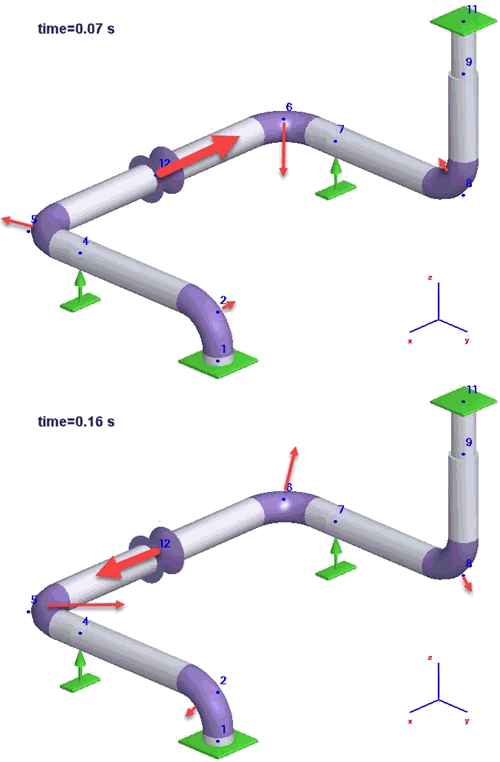
Sudden flow changes in piping systems generate unbalanced pressure forces at elbows, valves, tees, reducers, and other components. These transient forces can cause significant damage if the piping system is not properly designed to withstand them.
The integrated workflow between PASS/START-PROF and PASS/HYDROSYSTEM enables seamless 3D model conversion between both applications.
Convert 3D piping models from PASS/START-PROF to PASS/HYDROSYSTEM, generate comprehensive water hammer loads for all nodes at critical time intervals, and automatically transfer results back to PASS/START-PROF for stress analysis.
Water hammer analysis workflow:
Load calculation methodology in PASS/Hydrosystem:
Detailed algorithm description available in the PASS/Hydrosystem user guide.
PASS/START-PROF and PASS/HYDROSYSTEM provide efficient water hammer analysis to identify and mitigate potential system damage.
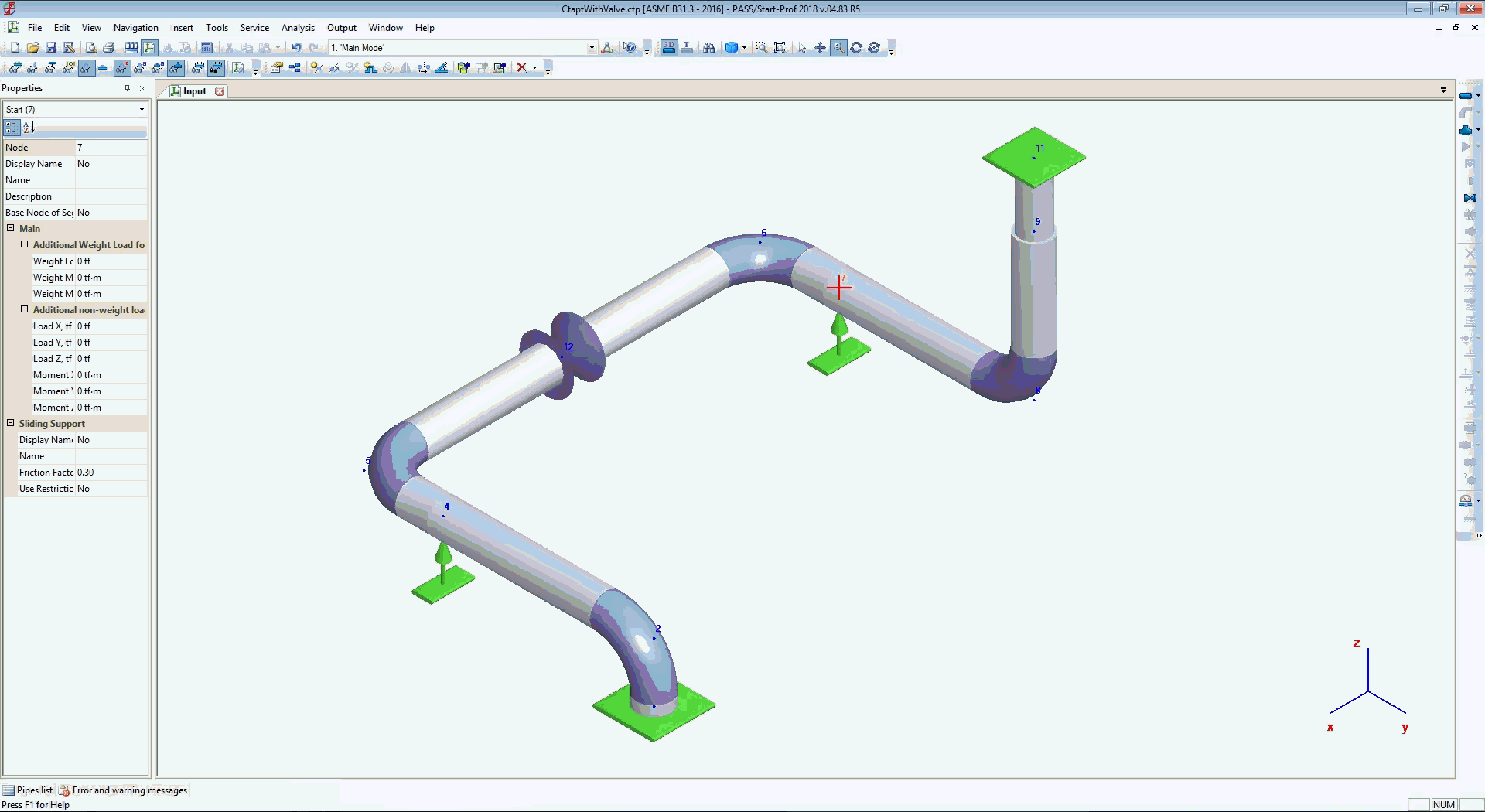
Sample piping system in PASS/START-PROF:
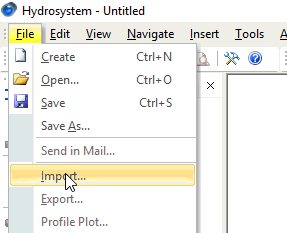
Open saved PASS/START-PROF file in PASS/HYDROSYSTEM.
Set boundary pressures: 0.15 MPa at node 1, 0.16 MPa at node 11

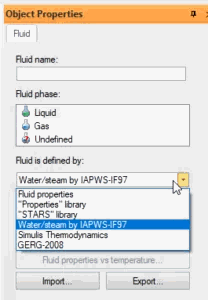
Select steam-water fluid properties library
Configure surge analysis: 2.5 sec duration, 0.01 sec output interval, DLF=2.0
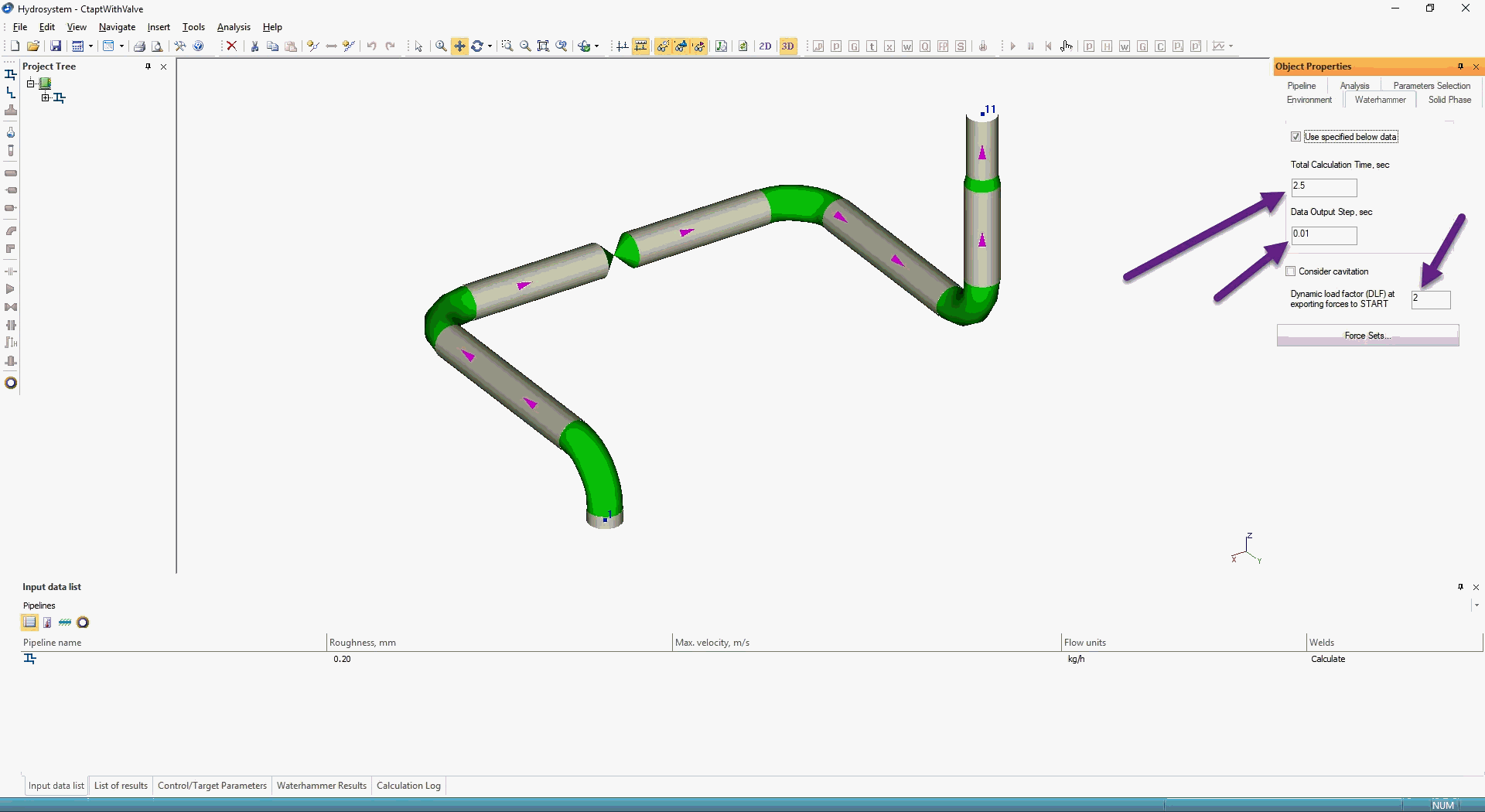
Select valve at node 12 and configure immediate closure in Waterhammer settings.

Run Isothermal Flow analysis

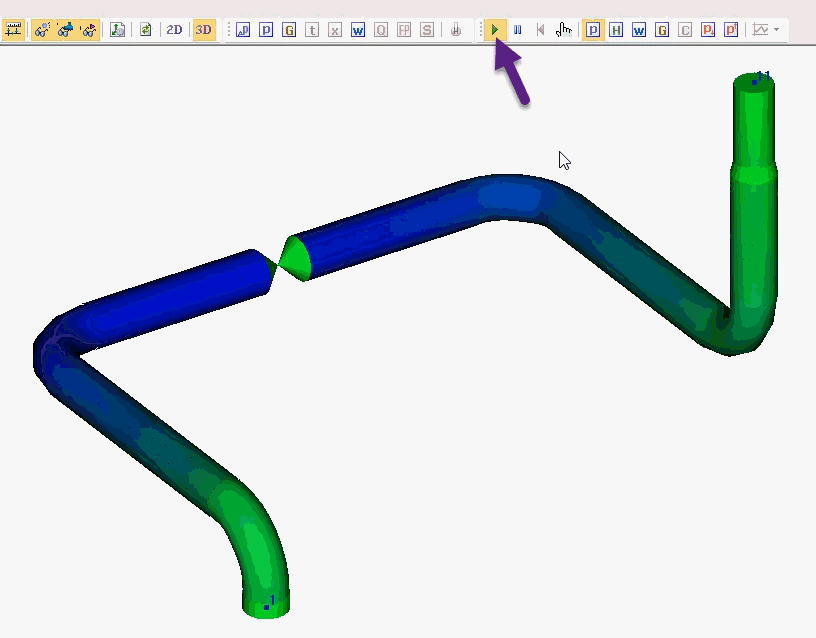
Execute water hammer analysis
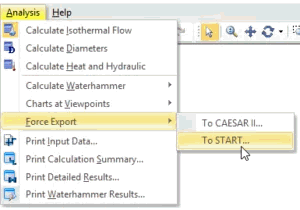
Export unbalanced pressure forces to .ctpf file. PASS/HYDROSYSTEM also supports export to .frc format for CAESAR II compatibility.
The .ctpf file contains DLF-multiplied forces for all nodes at critical time points, automatically identified by HYDROSYSTEM.

.ctpf file structure
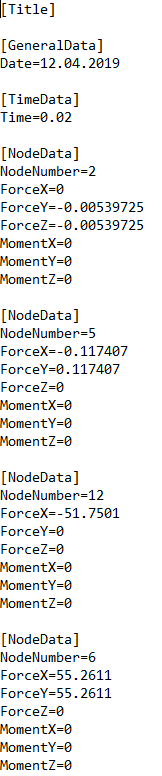
PASS/HYDROSYSTEM generates comprehensive unbalanced pressure loads for all system nodes at critical time intervals.
Import water hammer forces into PASS/START-PROF Operation Mode Editor for first operating mode.
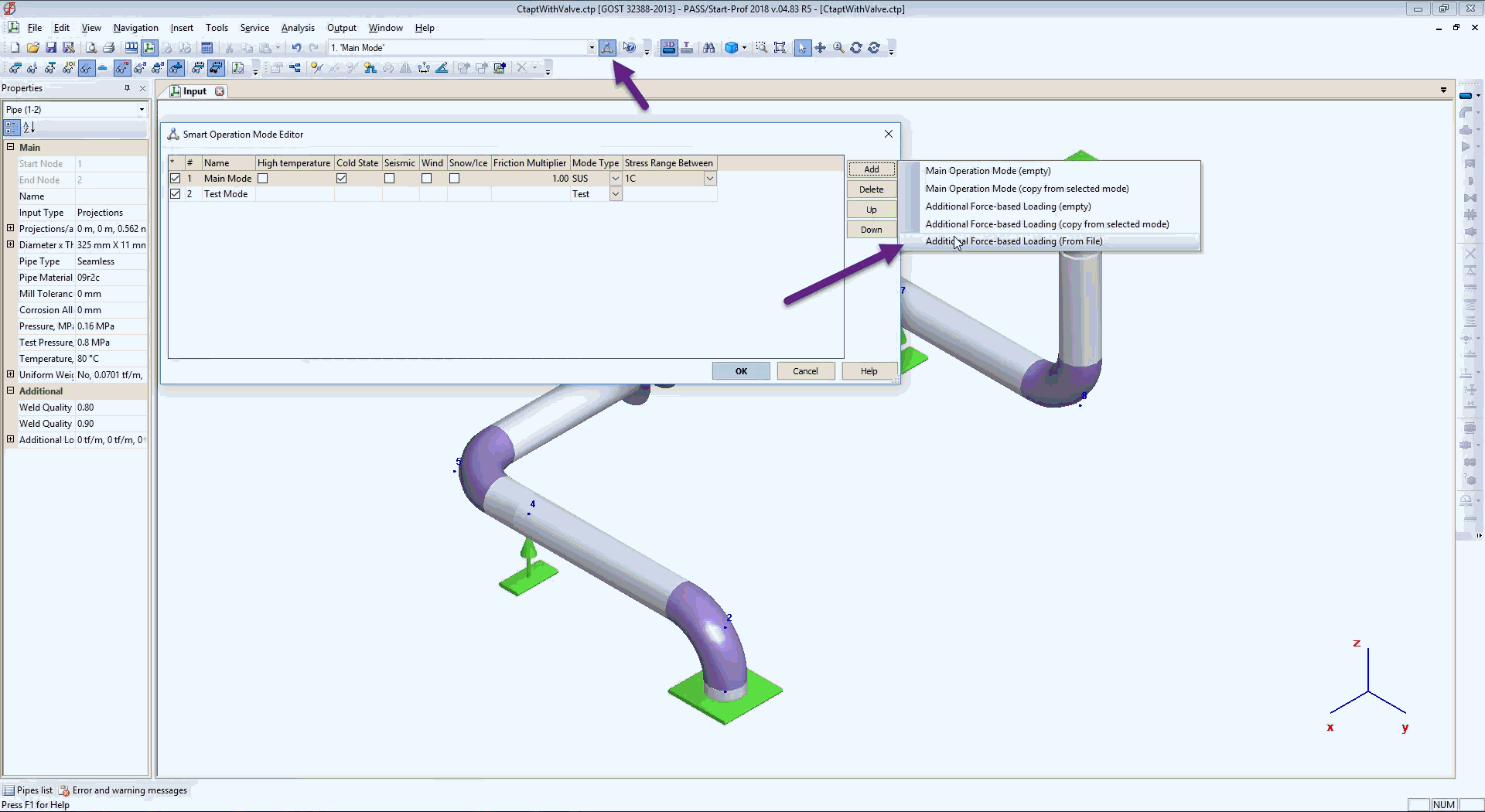
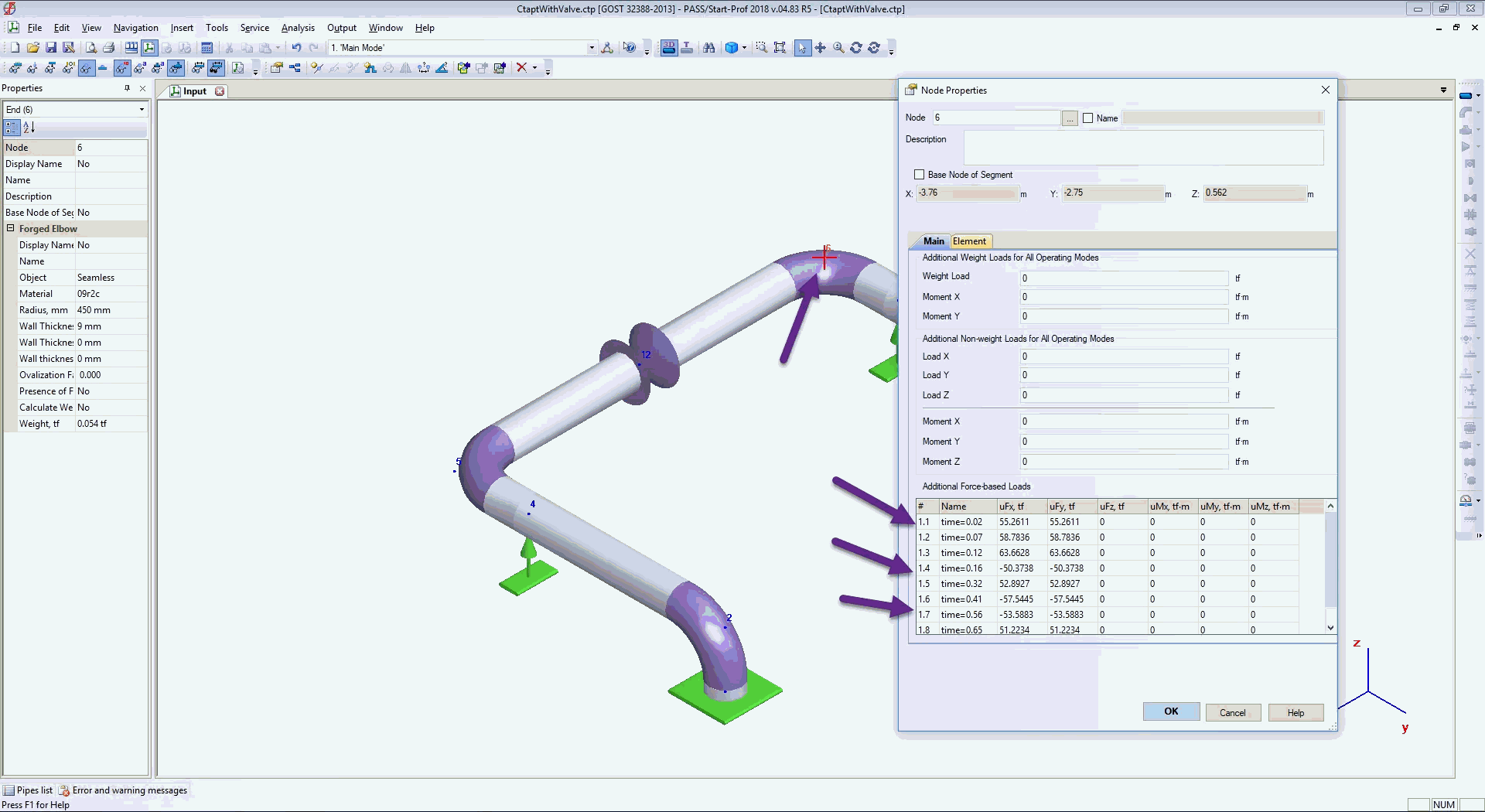
Eight force-based load cases imported from file

Verify force values at any node
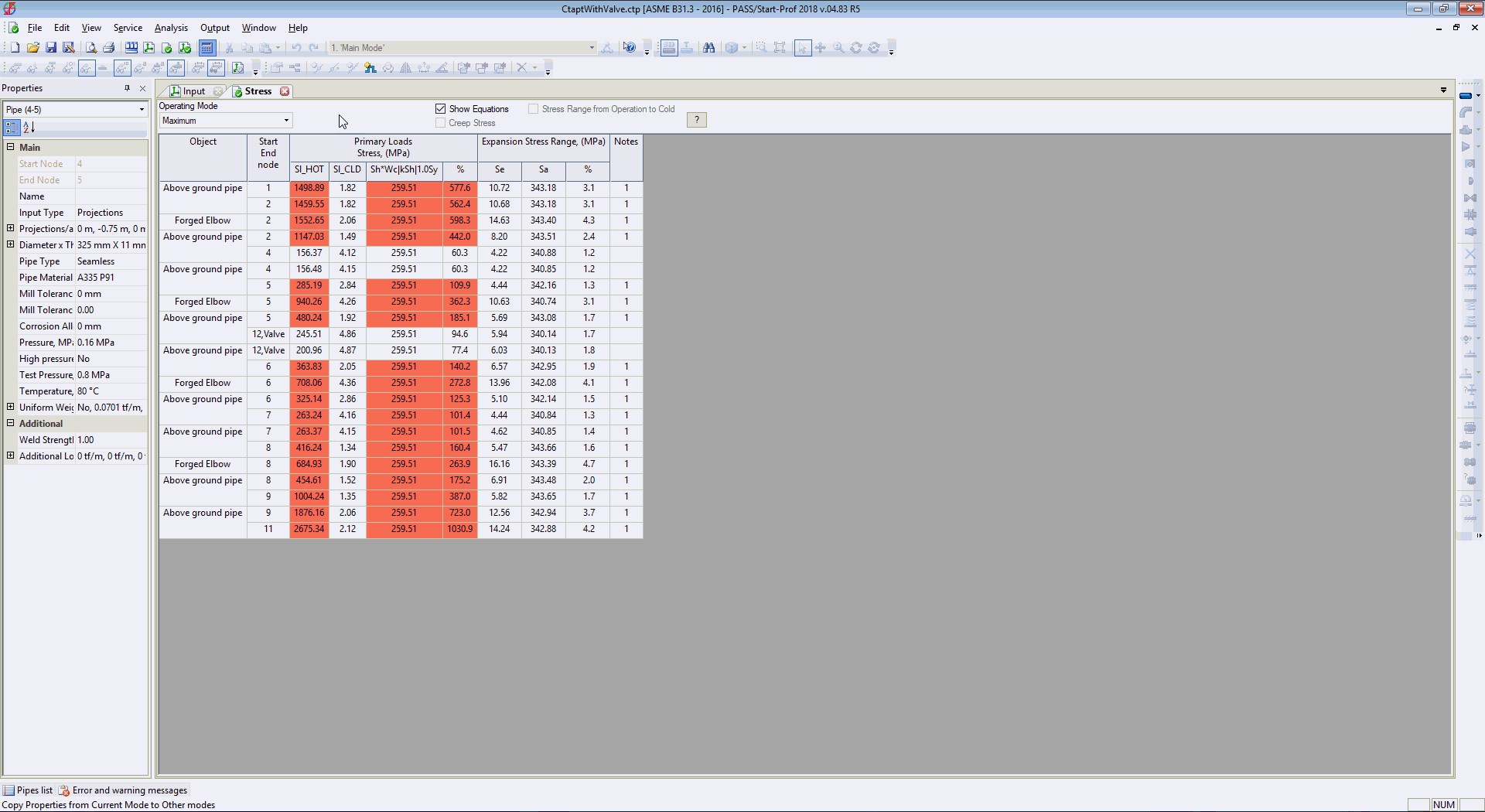
Execute stress analysis and review results
Deformed shape visualization at any time point
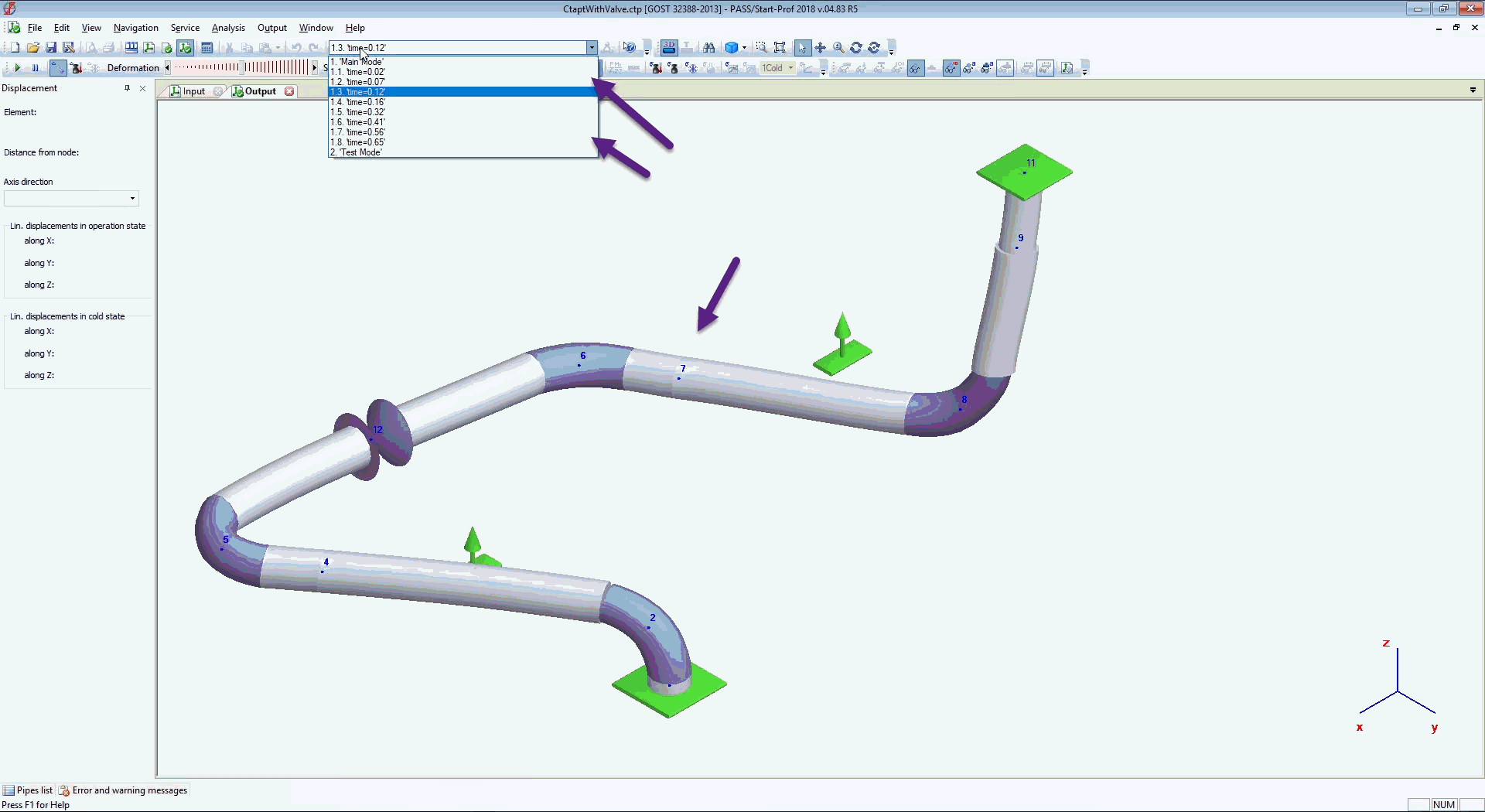
Stress results for any time interval


Maximum stress envelope across all load cases (static and waterhammer events)
Review additional results including displacements, support loads, flange leakage, and expansion joint deformations
